✭ The Good, the Waste and the LEARNING ✭
Lean chronicles for tech leaders
Written and curated by Thomas Deligny
(no AI used except for visuals and English translations)
✭ The Good, the Waste and the LEARNING ✭
(no AI used except for visuals and English translations)
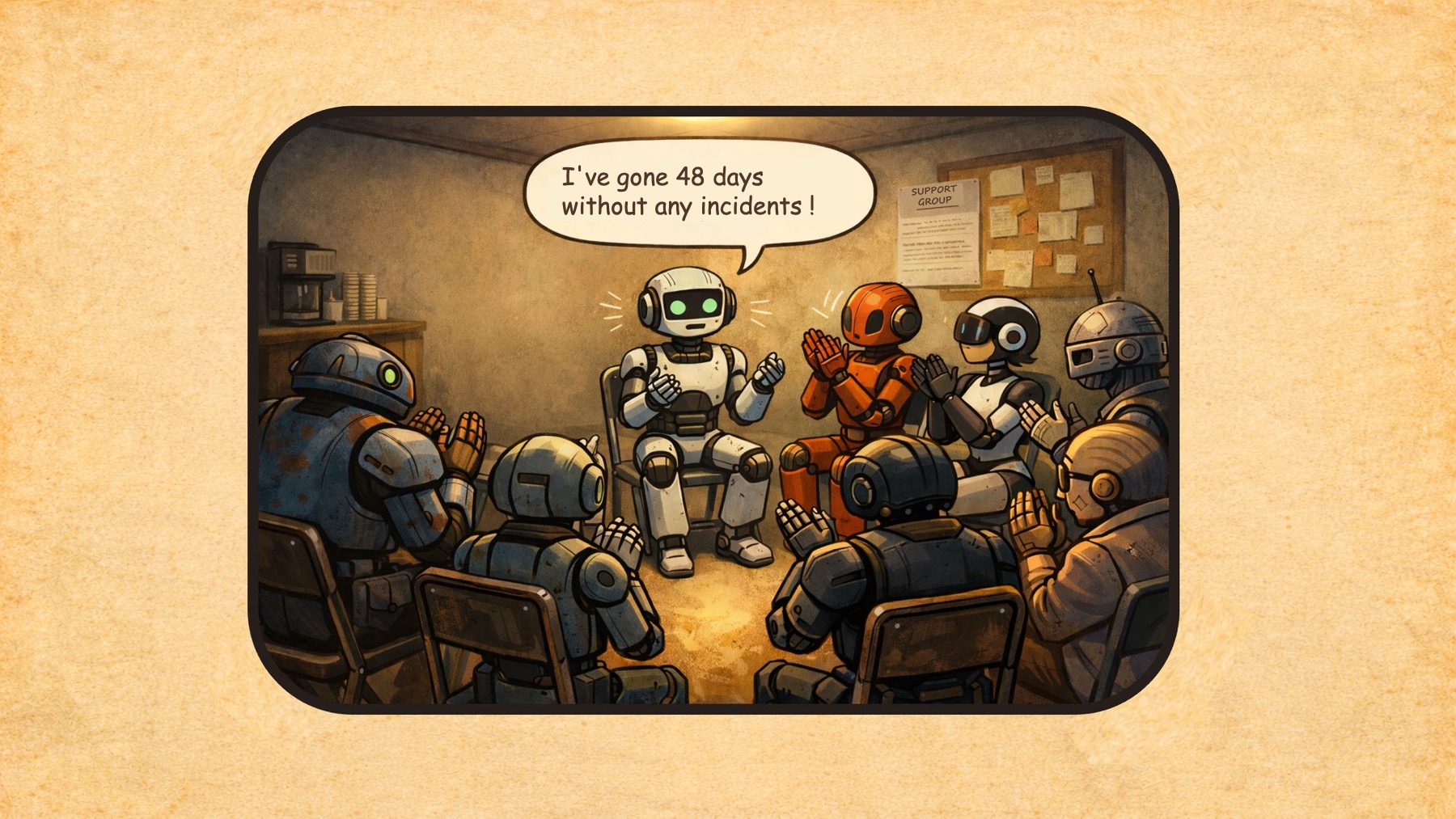
2 years ago, that would have been unthinkable. Customers impacted before our monitoring even fired an alert. Teams constantly interrupted. Firefighting. What changed? No massive hiring, nor technical overhaul nor new AI silver bullet. A rigorous approach, clear standards, and a lot of stubbornness. Looking back on 2 years of work.
Il y a 2 ans, c’était inimaginable. Clients impactés avant que l’alerte ne soit détectée par nos sondes, équipes trop souvent interrompues, firefighting. Ce qui a changé ? Pas de recrutement massif, ni refonte technique, ni d’IA miracle. Une démarche rigoureuse, des standards, et beaucoup de pugnacité ! Retour sur 2 ans de travail.
“AI will replace support teams!” In practice, what we have observed is more nuanced. No revolution, but rather pragmatic experimentation bringing modest, continuous improvements that are, above all, firmly rooted in reality. AI is not the solution, but rather an accelerator for a continuous improvement process that is already in place.
“L’IA va remplacer les équipes support.” Sur le terrain, ce que nous avons observé est plus nuancé. Pas de révolution, mais une expérimentation pragmatique apportant des améliorations modestes, continues et surtout bien ancrées dans le réel. L’IA n’est pas la solution, mais plutôt l’accélérateur d’une démarche d’amélioration continue déjà en place.
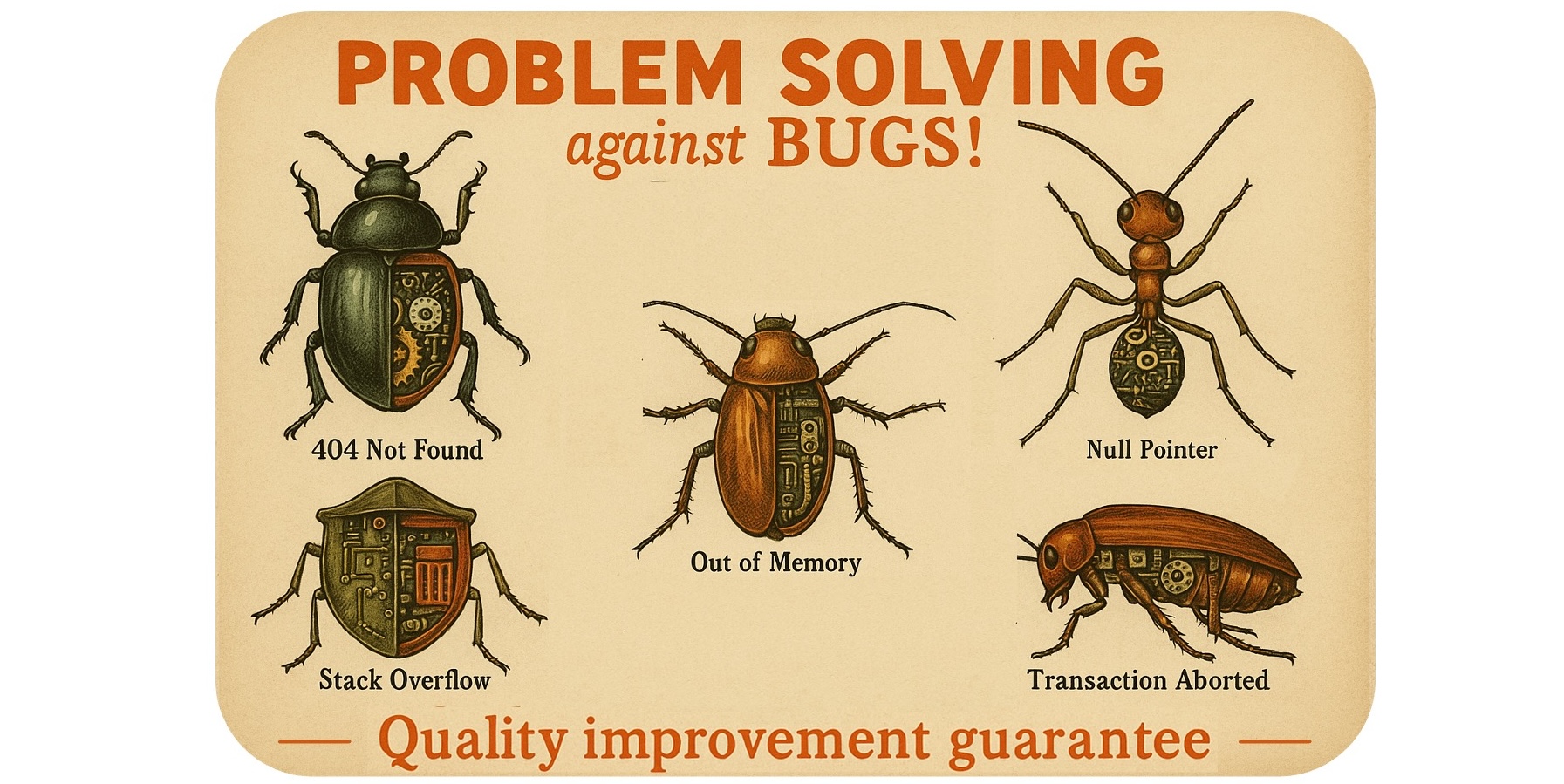
What if bugs weren’t inevitable? Often, every issue is handled as a quick fix — and when there are too many, the usual conclusion is: “We need to grow the team!” Really? By applying a genuine problem-solving approach, one of my teams went from 27 bugs to… zero in the very next sprint. That’s what I explore in this…
Et si les bugs n’étaient pas une fatalité ? Souvent chaque anomalie est traitée comme un simple correctif « quick fix » et quand il y en a trop, la conclusion devient: « Il faudrait renforcer l’équipe ! » Vraiment ? En appliquant une vraie démarche de résolution de problème, une de mes équipe est passée de 27 anomalies à… zéro sur le…
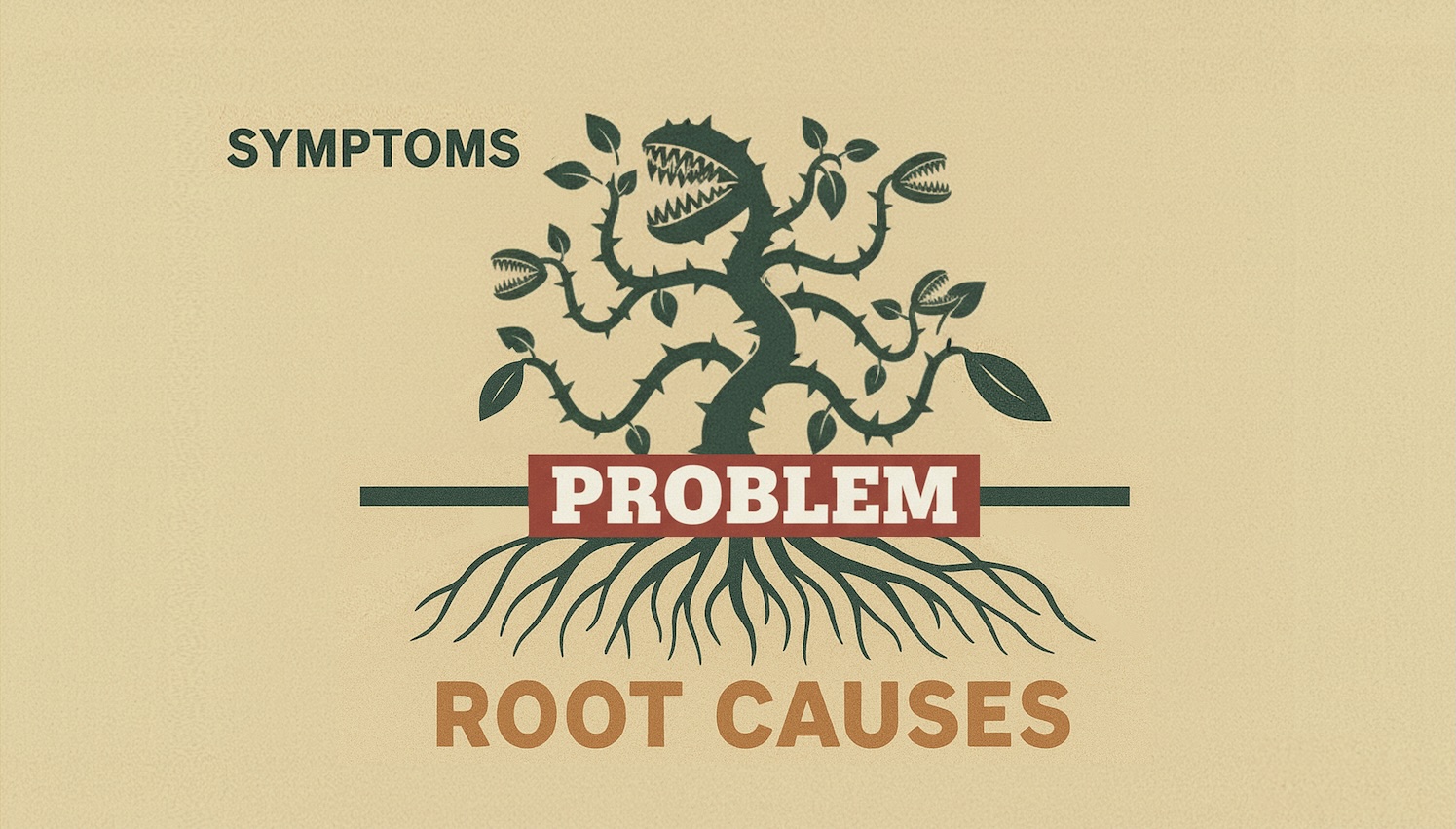
What if the role of a tech leader wasn’t to solve all problems… but to turn them into real learning accelerators for the team? In this new article, I explain how to transform every obstacle into an opportunity for collective progress, using a structured approach—rather than reflexes guided by our biases.
Et si le rôle d’un leader tech n’était pas de résoudre tous les problèmes… mais d’en faire de véritables accélérateurs d’apprentissage pour l’équipe ? Dans ce nouvel article, j’explique comment transformer chaque obstacle en opportunité de progression collective, grâce à une démarche structurée — plutôt qu’à des réflexes guidés par nos biais.
Comme tout manager, je pensais connaître mes équipes: leurs priorités et leurs difficultés. Jusqu’au jour où j’ai passé une matinée avec elles, sans slides ni agenda… juste observer et écouter. Et là, j’ai réalisé à quel point je passais à côté de l’essentiel. Des obstacles que je n’imaginais pas. Des idées brillantes jamais partagées. Et surtout, l’envie de passer…
Like any manager, I thought I knew my teams: their priorities and their difficulties. Until the day I spent a morning with them, without slides or an agenda… just observing and listening. 👀 And that’s when I realised how much I was missing the point. Obstacles I never imagined. Brilliant ideas that were never shared. And above all, the…
Copyright © 2025-2026 by Thomas Deligny – WordPress blog hosted at Informaniak